
 English
 Español
 Portugues
 Pусский
 Français
 Deutsch
 日本語
日本語 한국어
한국어 العربية
 Polski
 ไทย
ไทย Türk dili
 हिन्दी
 Indonesia
 Melayu
 Tiếng Việt
 עִברִית

Interfacce per volante automobilistico OEM
OEM Automotive Steering Wheel Interfaces Modern automotive steering wheel interfaces have evolved significantly, integrating advanced controls, connectivity, and driver assistance features. These interfaces serve as the primary point of interaction between the driver and the vehicle, ensuring convenience, safety, and enhanced driving experiences. Key Components & Functions 1. Multifunction Controls – Steering wheels now incorporate buttons, touchpads, or capacitive surfaces for managing infotainment, phone calls, cruise control, and voice commands. These controls reduce distractions by keeping the driver’s hands on the wheel. 2. Haptic Feedback – Some high-end systems use haptic responses to confirm inputs, improving usability without requiring visual attention. 3. Paddle Shifters – Common in performance-oriented vehicles, these allow manual gear changes without removing hands from the wheel. 4. Heating Elements – Electrically heated steering wheels enhance comfort in cold climates. 5. Driver Monitoring Sensors – Some interfaces include capacitive sensors to detect hand presence, ensuring safe operation of semi-autonomous driving systems. Integration with Vehicle Systems OEM steering wheel interfaces communicate via CAN (Controller Area Network) or LIN (Local Interconnect Network) buses, ensuring seamless interaction with the vehicle’s central ECU. They support: - Adaptive Cruise Control – Adjusting speed and following distance. - Lane-Keeping Assist – Providing gentle steering inputs for lane centering. - Voice Recognition – Enabling hands-free operation of navigation and media. Ergonomics & Customization Manufacturers prioritize ergonomic designs with contoured grips, thumb rests, and customizable button layouts. Some systems allow drivers to reprogram controls via the infotainment screen. Future Trends Emerging technologies include: - Gesture Control – Reducing physical buttons for a cleaner design. - Steer-by-Wire Systems – Eliminating mechanical linkages for greater flexibility in autonomous vehicles. - Augmented Reality (AR) Displays – Projecting critical data onto the wheel or windshield. Challenges Balancing functionality with simplicity remains a challenge, as overcrowded controls can confuse drivers. Additionally, ensuring durability and resistance to wear is critical for long-term reliability. In summary, OEM steering wheel interfaces are evolving into sophisticated command centers, blending safety, comfort, and cutting-edge technology to redefine driver-vehicle interaction.
Prodotto
Classificazione:
-
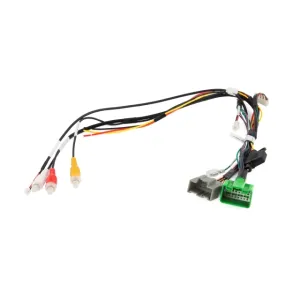
Cablaggio per auto OEM TSCN con connettore maschio grigio verde a 16 pin per interfacce volante
La loro classificazione: Cablaggio personalizzatoVisualizzazioni: 698Numero: TS59015Tempo di rilascio: 2025-09-25 13:25:09Codice articolo: TS59015Descrizione: CABLAGGIO AFTERMARKET OEMMarca: TSCNApplicazione: Automotive, alimentazione, segnali, cavo-filo:Serie: CABLAGGIO AFTERMARKET OEMServizio: OEM/ODMCampione: Va bene prevedere il test gratuitamenteCondizioni commerciali: EXW, FOB, CIFMOQ: 500 pezzi
Notizie
Classificazione:
Nessun risultato di ricerca!
Caso
Classificazione:
Nessun risultato di ricerca!
Video
Classificazione:
Nessun risultato di ricerca!
Scarica
Classificazione:
Nessun risultato di ricerca!
Reclutamento
Classificazione:
Nessun risultato di ricerca!
Prodotti consigliati
Nessun risultato di ricerca!